National Advocacy and Policy Dialogue on Eliminating Maternal
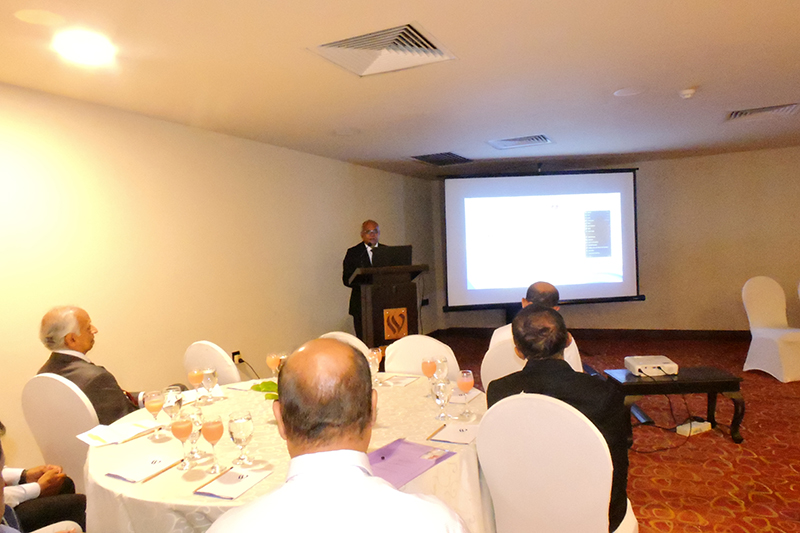
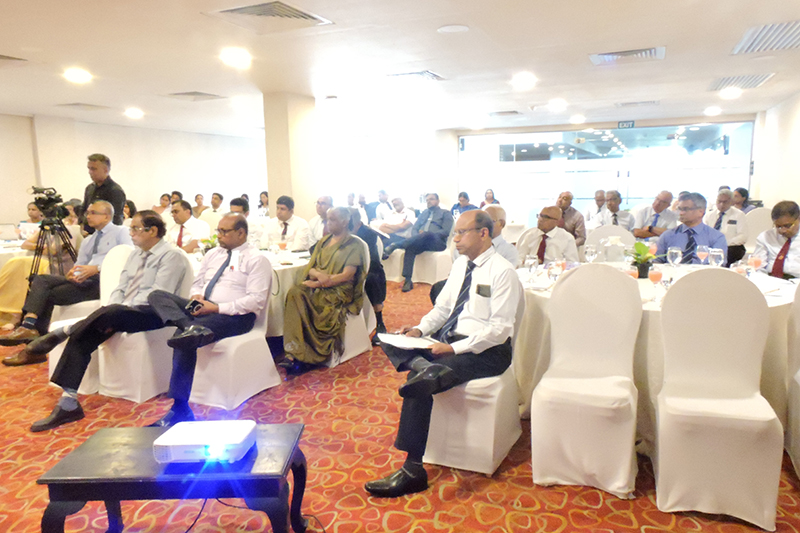
A national-level advocacy and policy dialogue on “Eliminating Maternal Deaths due to
Postpartum Haemorrhage: A Collaborative Strategy for Sri Lanka” was successfully
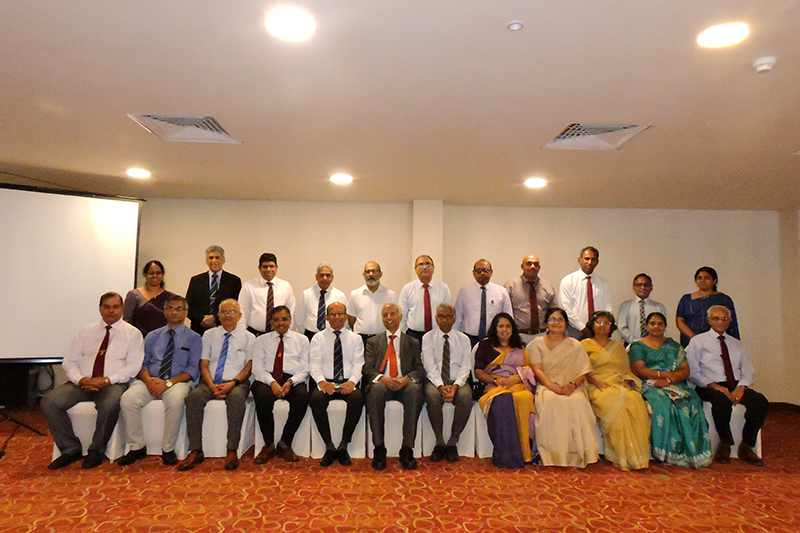
conducted under the guidance of Prof. Rukshan Fernandopulle, President, SLCOG at Water’s
Edge Hotel, on the 12 th January 2026, with the participation of the Ministry of Health, Sri
Lanka College of Obstetricians and Gynaecologists (SLCOG), World Health Organization
(WHO), policymakers, senior clinicians, key stakeholders and Emeritus Professor Sir
Sabaratnam Arulkumaran as the chief guest. The event served as a platform to review
national data, introduce the revised guideline on prevention and management of
postpartum haemorrhage (PPH), and agree on strategies for nationwide implementation.
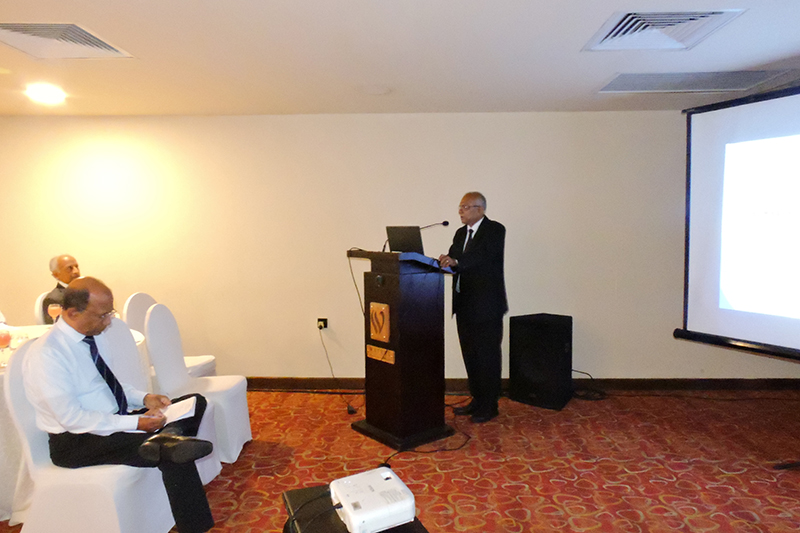
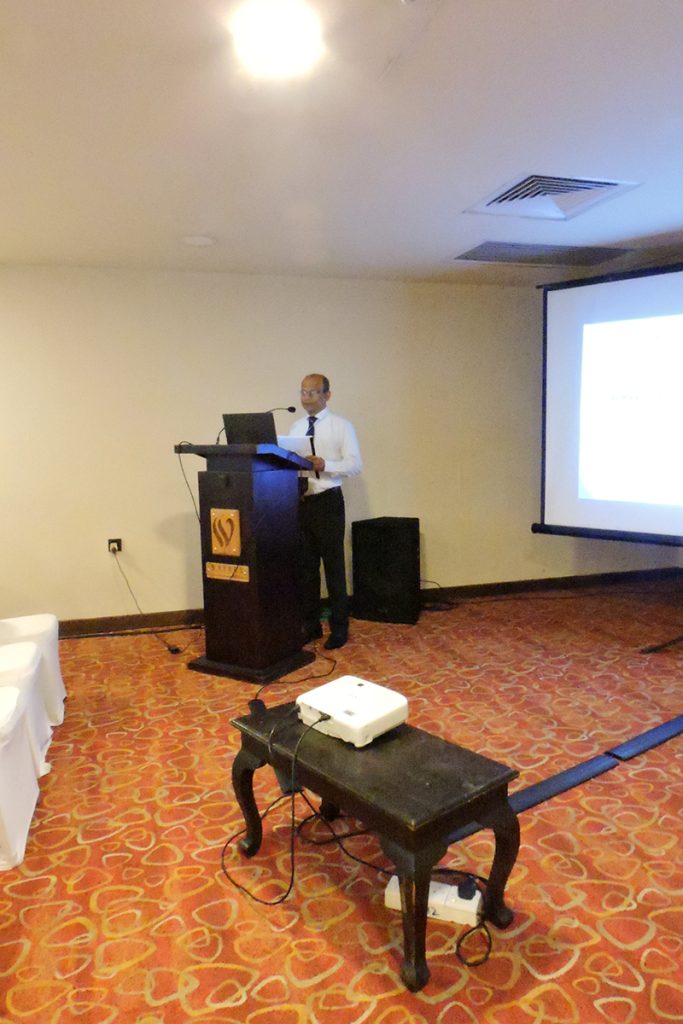
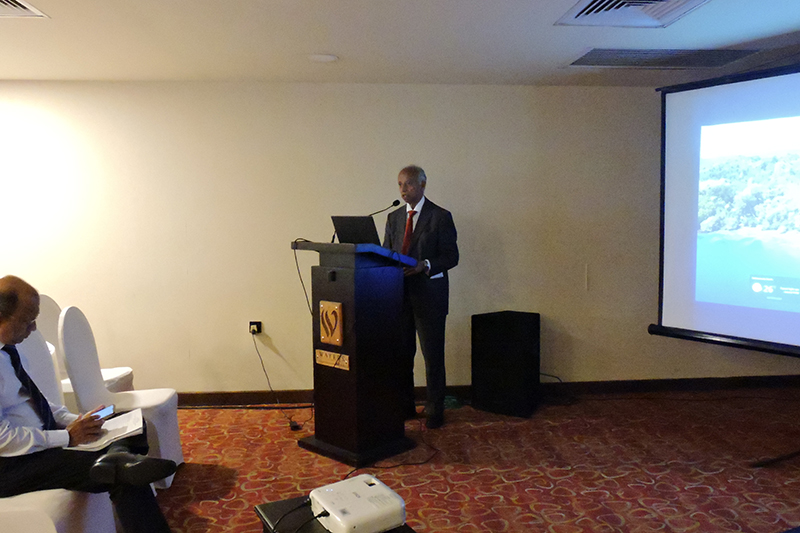
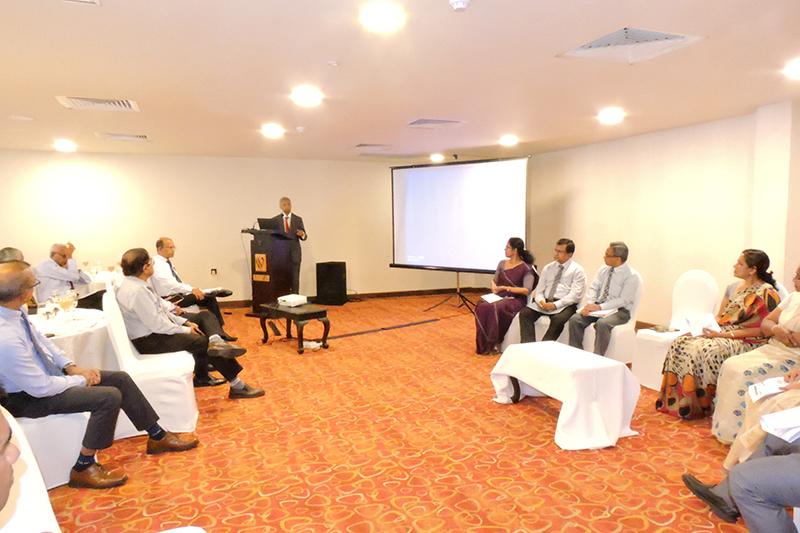
The programme commenced with a presentation on the impact of obstetric haemorrhage
on maternal mortality in Sri Lanka over the past 25 years, highlighting its continued
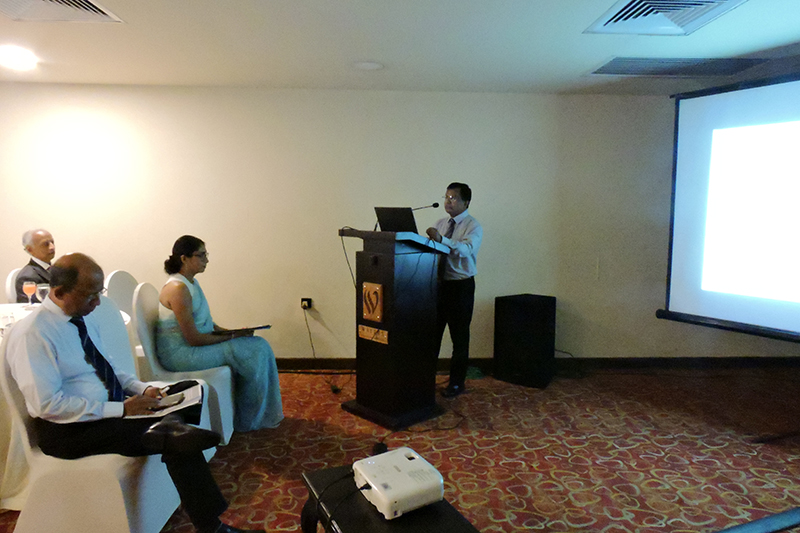
contribution to preventable maternal deaths. The revised SLCOG guideline on PPH was then
introduced, emphasizing evidence-based recommendations aligned with global standards.
Global strategies aimed at advancing towards zero maternal mortality were also discussed,
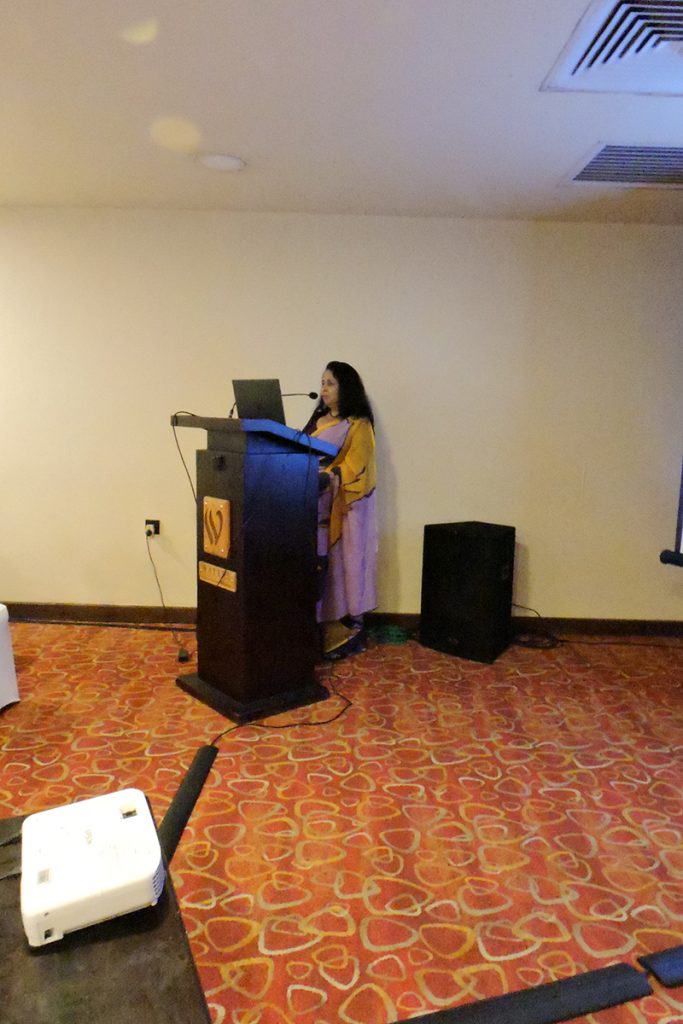
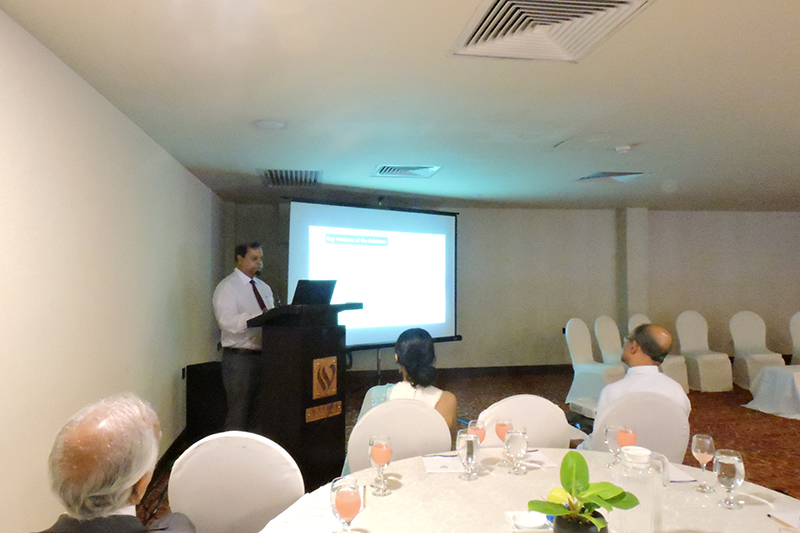
reinforcing the urgency of coordinated action. Further sessions explored the role of SLCOG
in training healthcare staff and lessons learned from maternal death surveillance in
optimizing management of obstetric haemorrhage.
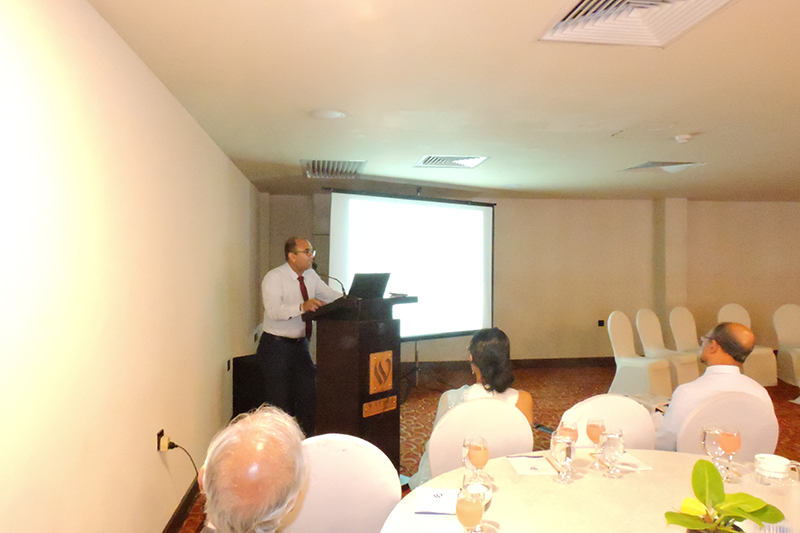
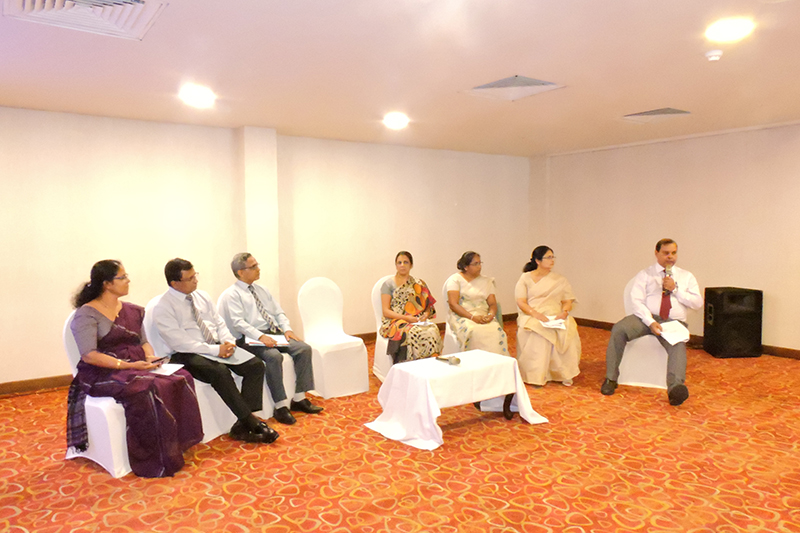
A multidisciplinary stakeholder panel discussion focused on making the PPH guideline
operational, with emphasis on effective dissemination, implementation, and monitoring.
Representatives from the Ministry of Health, Family Health Bureau, SLCOG, anaesthetists,
transfusion medicine physicians, and haematologists contributed to a constructive dialogue.
The forum concluded with agreement on a roadmap for action, coordinated by the Family
Health Bureau with support from SLCOG and other professional colleges.
This initiative represents a significant step towards reducing preventable maternal deaths in
Sri Lanka. The insights generated will inform an advocacy brief to support national policy
and programmatic responses, ensuring sustained efforts to eliminate maternal deaths due
to postpartum haemorrhage.